The Reserve Bank of India (RBI) announced plans to establish a public repository for digital lending apps (DLAs) to address issues arising from the proliferation of unauthorized players in the sector. Additionally, the RBI proposed introducing a “Delegated Payments” feature in UPI to facilitate seamless transactions.
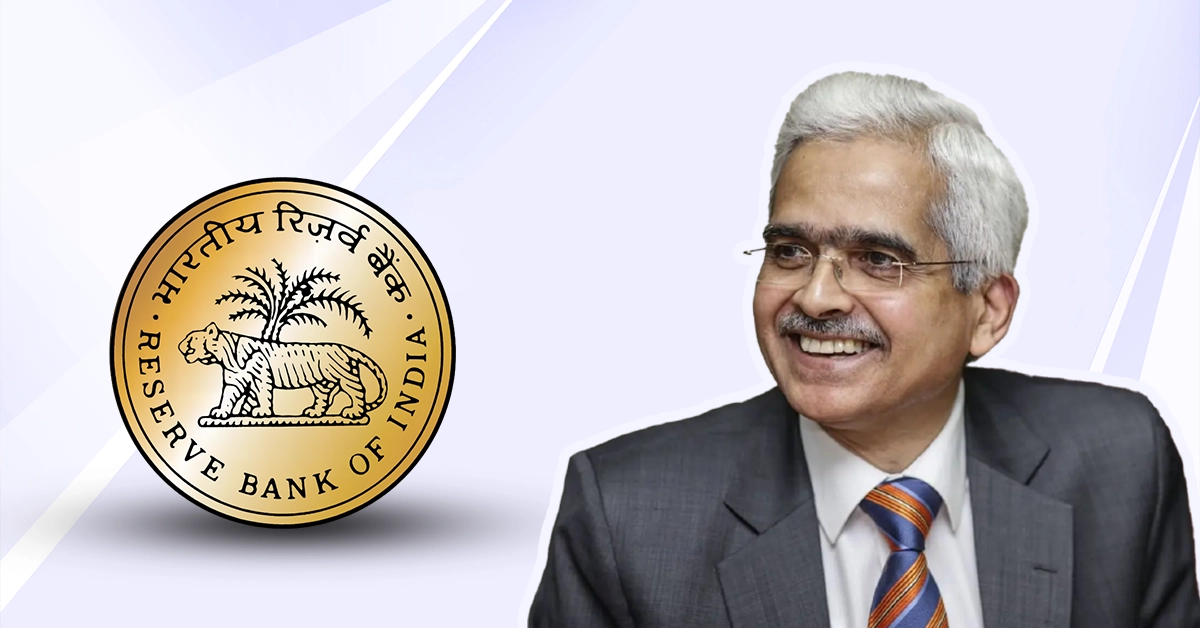
In a post-monetary policy review address, RBI Governor Shaktikanta Das highlighted several measures aimed at the orderly development of India’s digital lending ecosystem. To tackle the challenges posed by unauthorized DLAs, the RBI plans to create a public repository where regulated entities (REs) will report and update information about their DLAs. This initiative aims to help consumers identify unauthorized lending apps.
“The repository will be instrumental in ensuring transparency and safeguarding consumers from unauthorized digital lending apps,” stated Governor Das.
Moreover, the RBI proposed the introduction of ‘Delegated Payments’ through UPI, enabling a primary user to authorize a secondary user to make UPI transactions up to a specified limit from the primary user’s bank account. This feature aims to deepen the reach and usage of digital payments by allowing secondary users to transact without needing a separate bank account linked to UPI.
“This facility will further expand the accessibility and convenience of digital payments,” added Governor Das.
In another significant move, the RBI announced an increase in the transaction limit for tax payments through UPI from the current Rs 1 lakh to Rs 5 lakh per transaction. This enhancement is expected to simplify and expedite tax payments for consumers.
“The increased limit for tax payments through UPI will provide greater ease and flexibility for taxpayers,” remarked Governor Das.
Furthermore, the RBI introduced measures to expedite cheque payments, benefiting both payers and payees. Currently, cheque clearing through the Cheque Truncation System (CTS) operates in a batch-processing mode with a clearing cycle of up to two working days. The RBI proposes to reduce this cycle by implementing continuous clearing with ‘on-realisation-settlement’ in CTS, enabling cheques to be cleared within a few hours on the day of presentation.
“These measures will significantly speed up the cheque clearing process, enhancing efficiency and convenience for all parties involved,” noted Governor Das.
The RBI’s initiatives reflect its commitment to fostering a secure, efficient, and inclusive digital financial ecosystem in India.