SUMMARY
- Ola Electric’s S1 X escooter model has received domestic value addition (DVA) certification essential for its eligibility for the Production Linked Incentive (PLI) scheme for automobile and auto components.
- The recently-listed startup announced that its S1 X escooter models, both 3 kWh and 4 kWh, have successfully met the stringent localisation criteria of 50%, as mandated by the Ministry of Heavy Industries.
- Under the PLI scheme, Ola Electric is eligible for incentives for up to five consecutive financial years, starting from FY24.
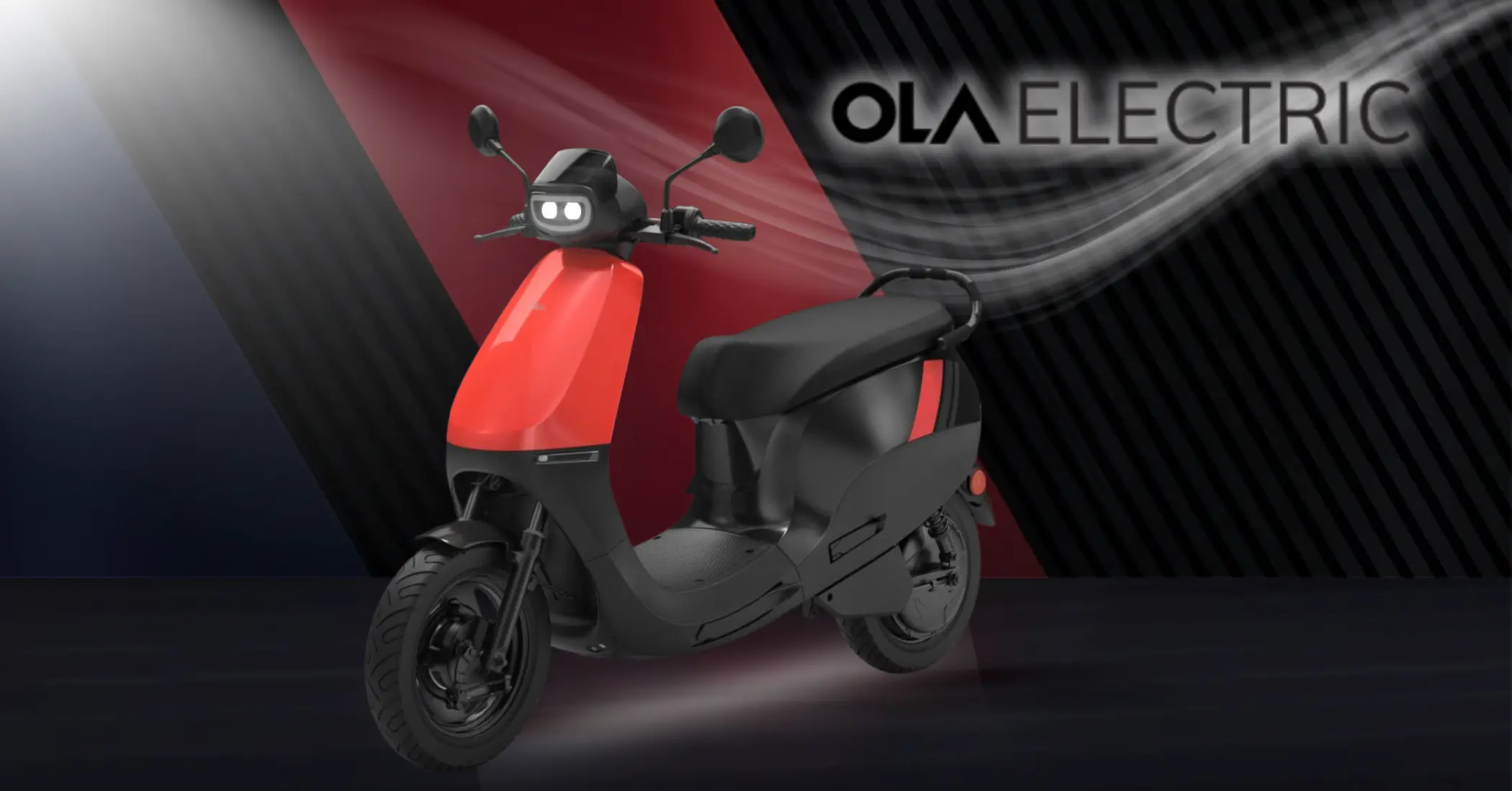
Electric two-wheeler startup Ola Electric‘s S1 X escooter model has received domestic value addition (DVA) certification essential for its eligibility for the Production Linked Incentive (PLI) scheme for automobile and auto components.
In a statement issued on Tuesday, August 20, the recently-listed startup announced that its S1 X escooter models, both 3 kWh and 4 kWh, have successfully met the stringent localisation criteria of 50%, as mandated by the Ministry of Heavy Industries.
Ola Electric CEO Bhavish Aggarwal made the announcement on X, adding that these two products make up almost 50% of their orders.
Previously, in January of this year, Ola Electric received the same certification for its S1 Air model. Subsequently, in March of the same year, the S1 Pro model also achieved DVA certification under the PLI scheme. According to the startup’s data, the Ola S1 Pro model represents the largest contributor to its revenue.
The certification was given by the Automotive Research Association of India (ARAI). Under the PLI scheme, Ola Electric is eligible for incentives for up to five consecutive financial years, starting from FY24. The incentives range from 13% to 18% of the determined sales value of the products.
In response to the DVA certification received by S1 X, a representative from Ola Electric remarked that the 3 kWh and 4 kWh models from S1 X collectively account for nearly half of the startup’s total revenue. With the implementation of the PLI, they anticipate enhancing their financial performance.
The representative further added, “Receiving the PLI certification for the premium and mass-market products affirms our vertically integrated manufacturing strength, marking a significant achievement in advancing India’s EV vision.”
Last week, Ola Electric unveiled its electric motorcycle portfolio, ‘The Roadster Series’ while Aggarwal also announced the rebranding of Ola Cabs as Ola Consumer and mentioned Krutrim’s plans to launch India’s first AI chips by 2026.
Ola Electric, which went public as a loss-making entity, saw its consolidated net loss increase by 30% to Rs 347 crore in Q1 FY25 from Rs 267 crore in the same quarter previous year. However, operating revenue saw a 32% YoY increase to Rs 1,644 crore in the quarter.
In FY24, Ola Electric’s net loss was Rs 1,584.4 crore on an operating revenue of Rs 5,009.8 crore.
Despite the startup’s debut on the market being flat and its listing on the BSE at Rs 75.99 apiece, its shares have nearly doubled since then. The shares concluded Tuesday’s trading session at Rs 137.72 on the BSE.
While the stock is on the rise, analysts remain cautious about its prospects. For instance, Saji John, a senior research analyst at Geojit Financial Services, recently cautioned investors to exercise caution, especially considering the company’s ongoing losses and the volatility observed in its stock price. He advised new investors to either wait for a more stable entry point or view the stock as a long-term investment with a high risk-reward ratio.
However, HSBC Global initiated coverage on the stock with a ‘buy’ rating and a price target of Rs 140, which currently suggests an upside potential of 1.6%. Despite acknowledging several concerns regarding the company, the brokerage maintained a positive outlook, highlighting the favorable risk-reward ratio.
Notably, in an effort to enhance domestic manufacturing of automotive technology and reduce India’s reliance on imports from nations like China, the Indian government launched the Production Linked Incentive (PLI) scheme in 2020.