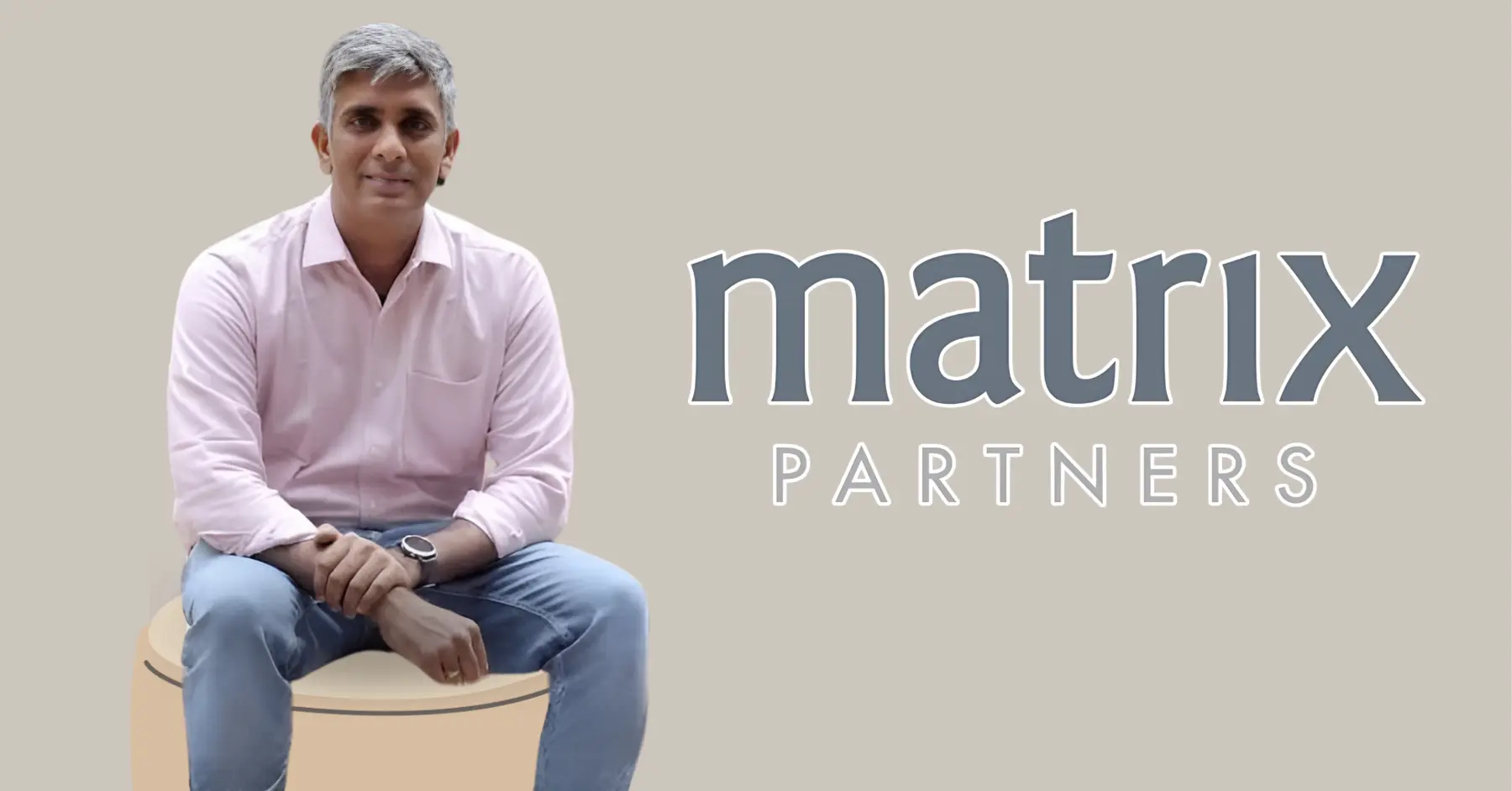
Karthik Gurumurthy, former Senior Vice President at Swiggy, has decided to halt his plans for launching an offline venture, returning the capital raised from investors, including Matrix Partners India. This decision marks a significant shift for Gurumurthy, who had earlier planned to start Convenio, a low-cost chain of physical stores, similar to Aldi’s model in Europe.
In November 2023, Moneycontrol reported that Gurumurthy was leaving Swiggy after over three-and-a-half years to start his own company. By January, he had raised $3 million from Matrix Partners India and others for Convenio.
However, the rapid growth of quick commerce in India has prompted Gurumurthy to reconsider this offline retail model. Companies like Blinkit, Swiggy Instamart, Zepto, and Tata BigBasket have increasingly captured the market for groceries and fresh produce delivery, which Convenio aimed to address through physical stores.
Zepto’s co-founder and CEO, Aadit Palicha, recently noted that quick commerce is expanding at the expense of traditional supermarkets, hypermarkets, and e-commerce platforms, as customer preferences shift towards convenience and speed.
Despite shelving the offline venture, Gurumurthy is reportedly already working on a new startup, which remains in stealth mode. Specific details about this new venture are yet to be disclosed. Both Matrix Partners India and Gurumurthy have not responded to queries from Moneycontrol regarding this development. However, Gurumurthy has updated his LinkedIn profile to reflect his decision to return the capital and focus on his next project.
Returning capital to investors, though unusual, is not unprecedented. Gurumurthy joins a list of founders who have returned funds when a venture did not pan out as expected. For instance, Peak XV Partners-backed Nintee, a digital health startup, returned capital upon shutting down, and Accel-backed Fashinza did the same after deciding to pivot.
A partner at a major VC firm commented on the practice, saying, “Returning unused capital to investors is always a prudent decision when a startup isn’t viable. It shouldn’t carry any stigma. In fact, it enhances a founder’s credibility and can be beneficial for future ventures.”
The partner added, “It’s better to realize early that an idea won’t work rather than spending years on it only to conclude it should have been different.”
As Gurumurthy transitions to his next venture, his decision to return capital highlights a thoughtful and strategic approach to startup management, maintaining investor trust and setting a positive precedent for future endeavors.