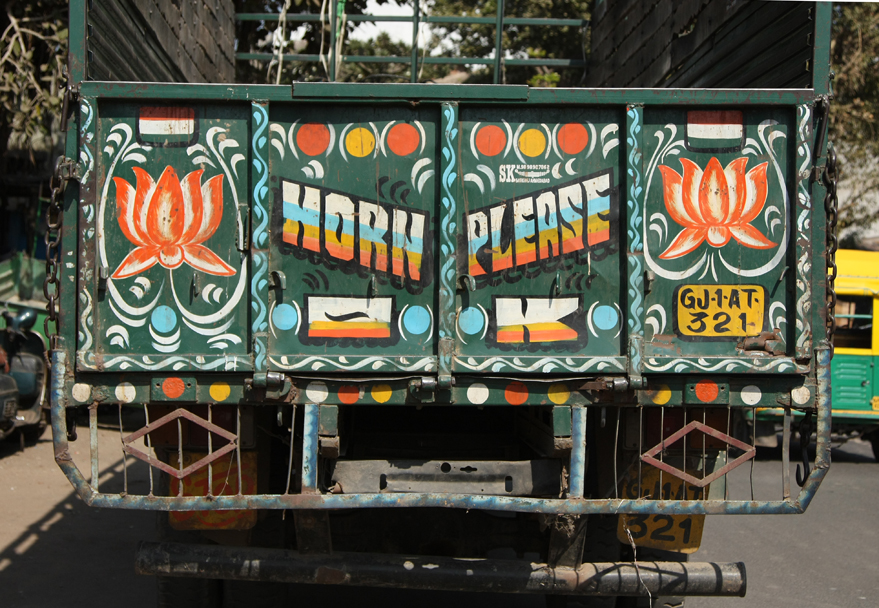
Ford Motor Company CEO Jim Farley has identified India as one of the most unique and demanding automotive markets in the world, specifically highlighting the continuous use of car horns as a major manufacturing challenge. In a video clip circulating on social media, Farley explained how regional driving behaviors dictate distinct vehicle engineering requirements, noting that component durability must be significantly higher to withstand local driving conditions.
During an automotive design discussion, Farley asked his audience which global market requires the most resilient horn systems. While many Western nations use the mechanism strictly for emergency alerts, Farley noted that in India, the horn’s role extends far beyond that. Identifying India as the primary engineering challenge, Farley stated, “It has to be the most robust, has to last the longest, and has to beep more than any others.”
The conversation also highlighted how honking operates as an essential communication tool for navigating dense traffic conditions. Farley’s co-host referenced the culturally iconic “Horn ok please” signs painted on commercial trucks, which explicitly encourage overtaking drivers to signal their presence. Consequently, automotive suppliers must construct heavy-duty components, including specialized passing horns, to ensure vehicles can seamlessly adapt to India’s high-frequency usage demands.