SUMMARY
- SEBI has issued show-cause notices to Vijay Shekhar Sharma, the founder of One 97 Communications Ltd, and others following allegations of misrepresentation of facts.
- The primary concern pertains to Sharma’s alleged failure to comply with promoter classification norms.
- Sharma would have been ineligible for ESOPs following the company listing, as SEBI regulations prohibit promoters from receiving ESOPs after the IPO.
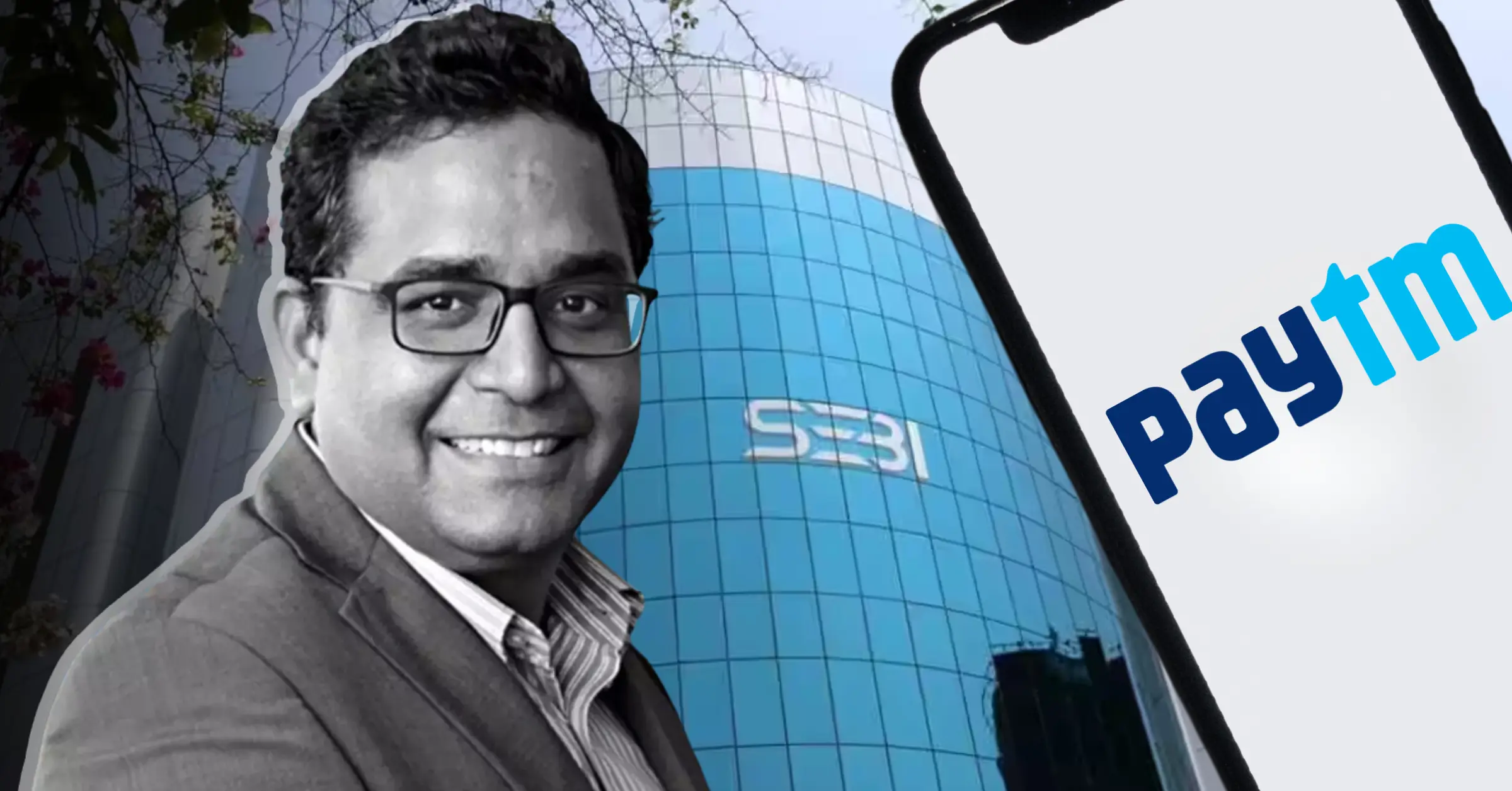
The Securities and Exchange Board of India (SEBI) has issued show-cause notices to Vijay Shekhar Sharma, the founder of One 97 Communications Ltd, the parent company of Paytm, and several board members who served during its IPO in November 2021, following allegations of misrepresentation of facts.
The primary concern pertains to Sharma’s alleged failure to comply with promoter classification norms. The investigation into this matter was initiated following feedback from the Reserve Bank of India (RBI), which had conducted an examination of Paytm Payments Bank earlier in the year.
The question is, whether Sharma should have been classified as a promoter, given his role in management rather than as an employee when the IPO documents were filed. As a result, SEBI has also issued show-cause notices to the company’s directors at the time, inquiring about their support for Sharma’s position.
Sharma would have been ineligible for employee stock options (ESOPs) following the listing, as SEBI regulations prohibit promoters from receiving ESOPs after the IPO.
The issue of whether a company should be classified as ‘professionally managed’ is central to this matter. Generally, companies listed on the stock exchange are presumed to be driven by promoters. To qualify as professionally managed, a company must not have any shareholders with more than a 10% stake, and no single shareholder should hold control.
In the case of Paytm, prior to filing the IPO documents, Sharma transferred 5% of his shares to a family trust named VSS Holdings Trust. Before this transfer, Sharma owned 14.6% of One 97 Communication, and after the transfer, his shareholding decreased to 9.6%, which is just below the 10% threshold specified in the regulations. Moreover, Sharma was exerting control over the company through his position on the board and his management responsibilities.
According to the offer document, Sharma’s VSS Holdings Trust, holds full ownership of the shares. In contrast, previous statements by the company maintained that Sharma does not have control over the 5% shareholding held by the trust.
In August 2023, Sharma agreed to acquire a 10.3% stake in the company from Antfin Holdings (Netherlands). This acquisition was made through Resilient Asset Management BV, owned by Sharma. Normally, if an individual holds stakes in a company through different entities, all the stakes are consolidated to determine if the individual is a promoter.
However, in this instance, the stake owned by Sharma through Resilient Asset Management has been categorized under ‘Foreign Direct Investment’. The June 2024 shareholding pattern of the company indicates that the stake owned by Sharma through Resilient Asset Management is classified as ‘Foreign Direct Investment’.
This situation at Paytm stands in contrast to the practices of other professionally managed companies such as HDFC Bank and Larsen & Toubro, which are professionally managed without any promoters and are overseen by a board appointed by shareholders.