You and I need oxygen to survive, right? What if I say animals live without oxygen? There is one such animal in the world.
Scientists around the world have made significant inventions. It helped construct this world from scratch. What if I tell you that they have made a discovery of an organism which does not need oxygen to survive?
The very thought of it is surprising. They hope the genome of this species can prove valuable to several other projects.
The Morphology of the Organism
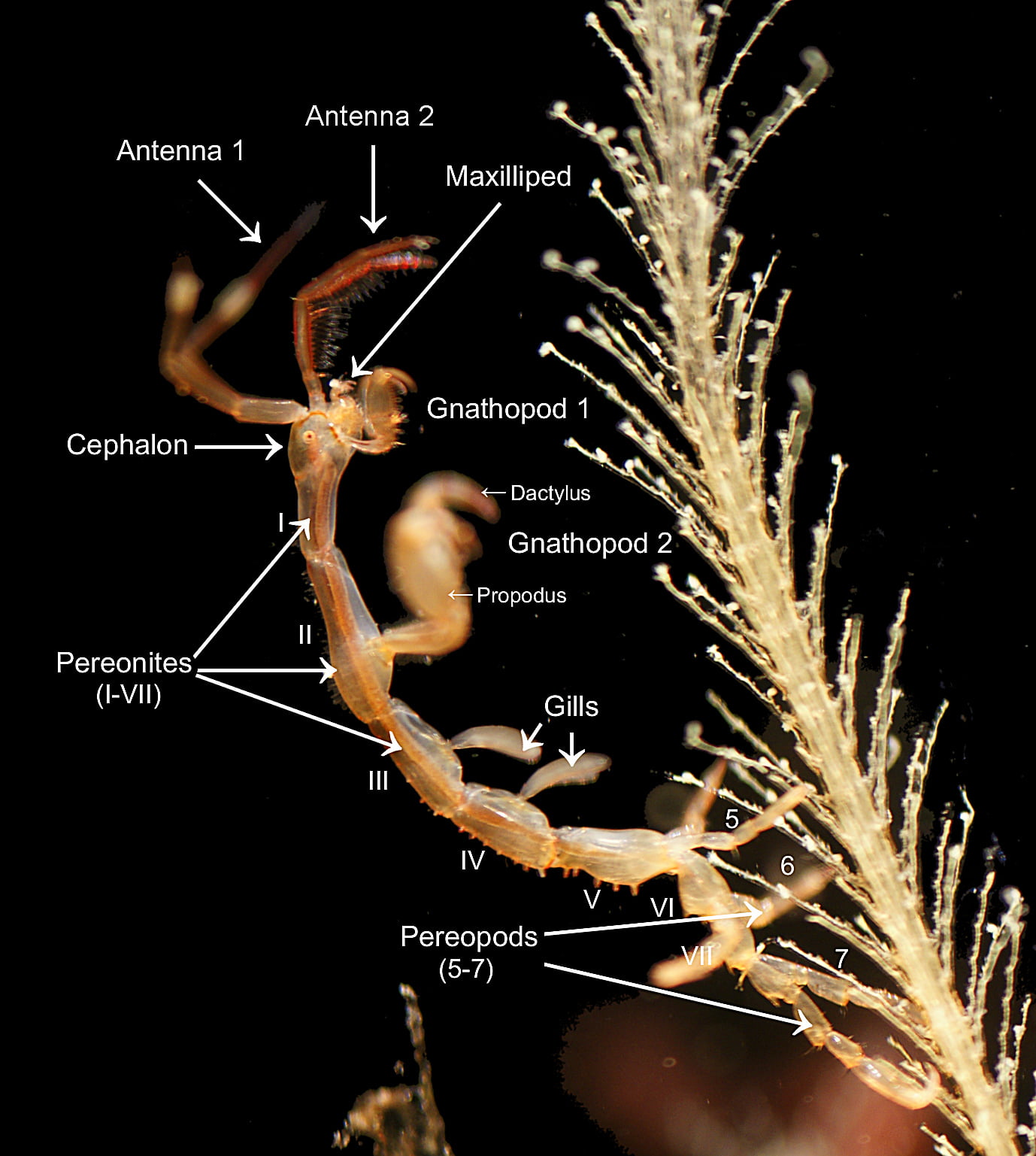
Henneguya salminicola is the name given to this organism. It is a parasite which lives inside the muscles of the fish, Salmon.
It is astonishing to know what we can uncover if we look deep inside something which is common.
The organism has a body which does not have more than 10 cells. But it is still called an “animal”. Doesn’t it sound like science fiction?
Significance
Do you know what else is surprising? Even if the organism tries, it would not be able to breathe.
So it is evident that the organism does not just hold its breath. It does not need oxygen because it does not have a body part to process it.
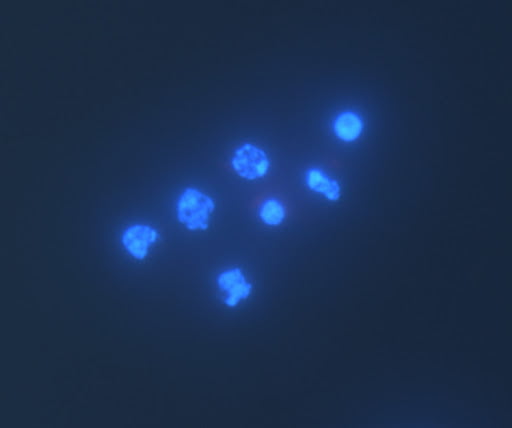
As it evolved, it gave up the body part which processed air. This is not an adaptive mechanism. This is an evolutionary advantage.
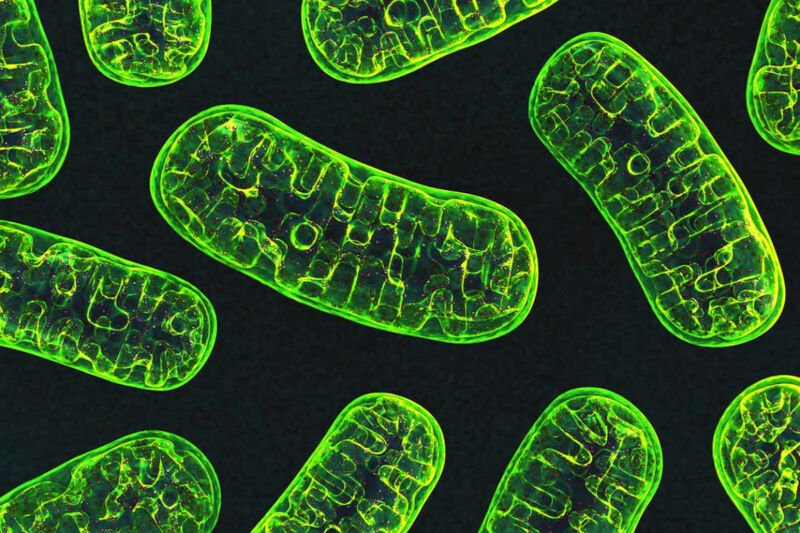
Mitochondria is the battery pack which helps the cells to function. It provides energy to perform its activities. A cell would die if it stops functioning. This is what our high school science teacher taught us.
The morphology of this organism does not have a mitochondrion either. It puts to shame everything we knew about science to date.
The Process of Discovery
This discovery came out unintended. This was, in fact, a by-product of another scientific experiment. Scientists were trying to gene sequence the Henneguya genome.
This is when they accidentally found that the cells do not have mitochondria. This vital part of the cell aids in Aerobic respiration. In short, it helps to convert food into energy.
This absence of mitochondria in H. salminicola cells made the scientists bewilder. The one question which demands an answer is, how do the cells produce energy? There are a few possible assumptions.
There is no significant proof to support them. The first one is, they might derive energy from the surrounding fish cells. This is possible as they live inside the salmon’s body cells.
But this paves the way to a new category in the animal kingdom. Usually, the cells which survive through anaerobic respiration get categorized as non-animals.
The Path of Evolution
Everything we know about evolution might need re-correction. This might completely change the way we know science.
The animal kingdom that we know now needs another category. This is because anaerobic respiration is not common in animals. Evolution does not need to be linear.
It is possible that animals can evolve in strange ways. An animal has now given up his most important component. It still survives to utilize other means of evolution.
This has been found in other organisms like fungi. They manage to live in environments which have no oxygen.
But this is the first time we see something like this in animals. Evolution is a complex process which starts with a single cell. It then evolves into a complex life form.
It forms new and improved organs to better suit its life. But here, we are looking at a reverse evolution. This organism freed itself from complex organs. It evolved into a simpler life form.
Conclusion
Science never fails to surprise us. It always has something new for the ones who are ready to look.
This research paved the way for several new branches of research. It might prove to be helpful to solve various unsolvable questions in science.