SUMMARY
- India has emerged as the world’s third-largest fintech economy.
- The Economic Survey 2023-24 has evidence where it has highlighted India’s objective to become the world’s leading fintech hub, leveraging it with its DPI framework.
- The first-ever India Independence Day celebration took place at the newly opened Indian Consulate in Seattle.
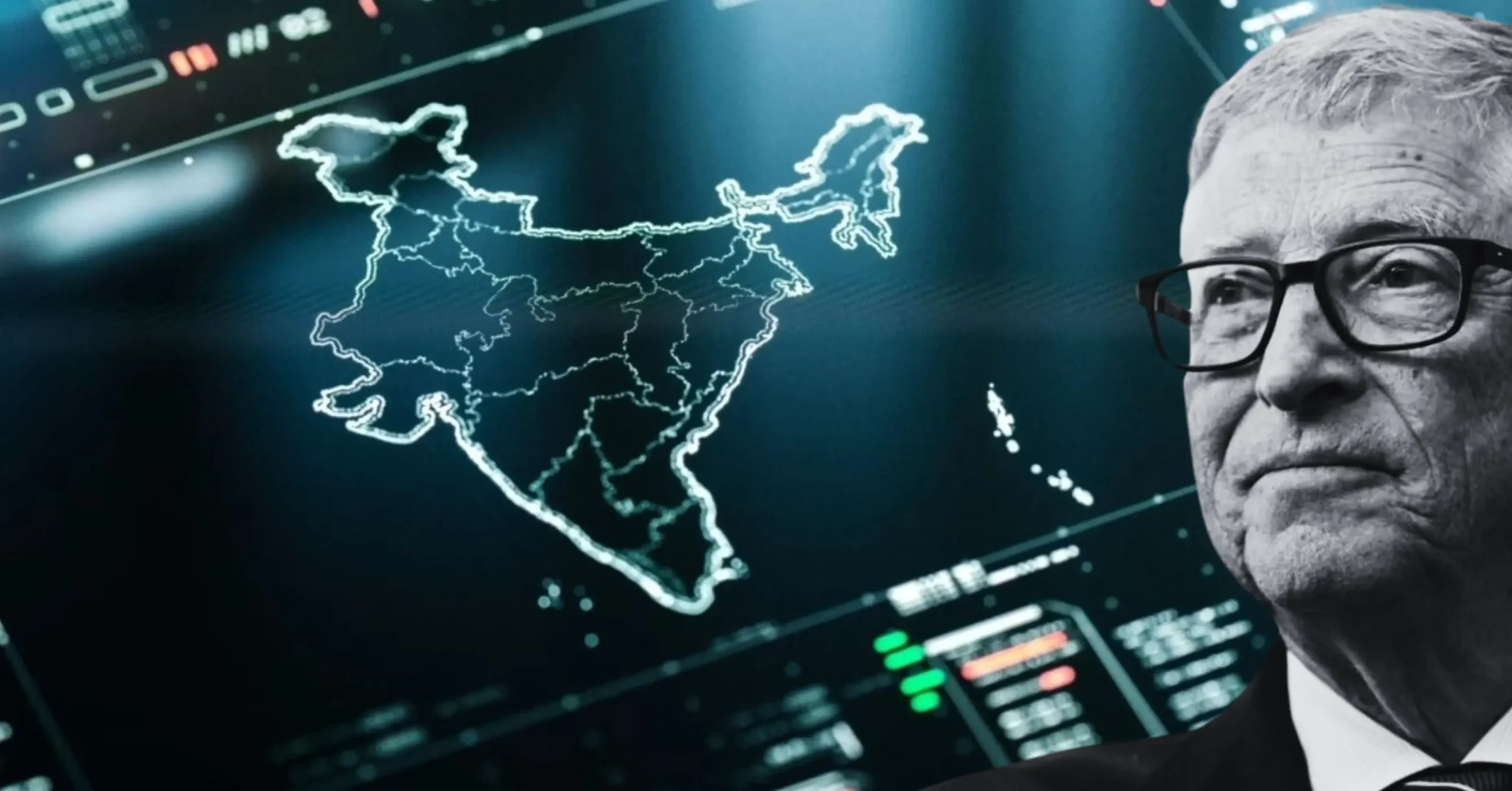
Bill Gates, Microsoft co-founder has praised India for its Digital Public Infrastructure (DPI), emphasizing that countries in the Global South are adopting India’s innovative approaches and strategies to build their own unique DPI systems.
Talking about the first-ever India Independence Day celebration that took place at the newly opened Indian Consulate in Seattle, Bill Gates considered India’s role as a global leader in technology, agriculture, and healthcare most effective and efficient. He mentioned that India’s Genuity is not just benefiting its own people but is also for other countries.
Nevertheless, India has emerged as the world’s third-largest fintech economy, driven by the widespread adoption of digital payment systems like UPI, a cornerstone of the nation’s DPI and another technological advancement. The Economic Survey 2023-24 has evidence where it has highlighted India’s objective to become the world’s leading fintech hub, leveraging it with its DPI framework.
Finance Minister Nirmala Sitharaman, in the Union Budget 2024-25 in the parliament session, proposed the expansion of DPI applications across sectors including agriculture, credit, education, healthcare, and other potential sectors.
Considering its overall impact, we can say that the impact of India’s DPI has extended far beyond its territory, replicating its success. This global adoption not only enhances India’s global position as a technological innovator but also contributes to global productivity, financial inclusion, and sustainable growth in SDGs.
While addressing, Gates also pointed out, that India’s achievements in DPI are setting a new standard for others, helping countries to overlap traditional development stages and fostering a more interconnected global economy which is the true essence of globalization.