SUMMARY
- Yulu has crossed an ARR of $30 million and also turned EBITDA positive.
- This came on the back of the rising demand for quick commerce and food services, along with favorable government policies.
- Yulu operates a fleet of more than 40,000 EV and is aiming to deploy one lakh electric vehicles by 2025.
Electric mobility startup Yulu has crossed an annual recurring revenue (ARR) of $30 million and also turned EBITDA positive due to the rising demand for quick commerce and food services, along with favorable government policies.
At present, Yulu operates a fleet of more than 40,000 electric vehicles and is aiming to double its efforts to deploy one lakh electric vehicles by 2025. To support this growth, it plans to secure $100 million (approximately Rs 839.6 billion) in its Series C funding round over the next year.
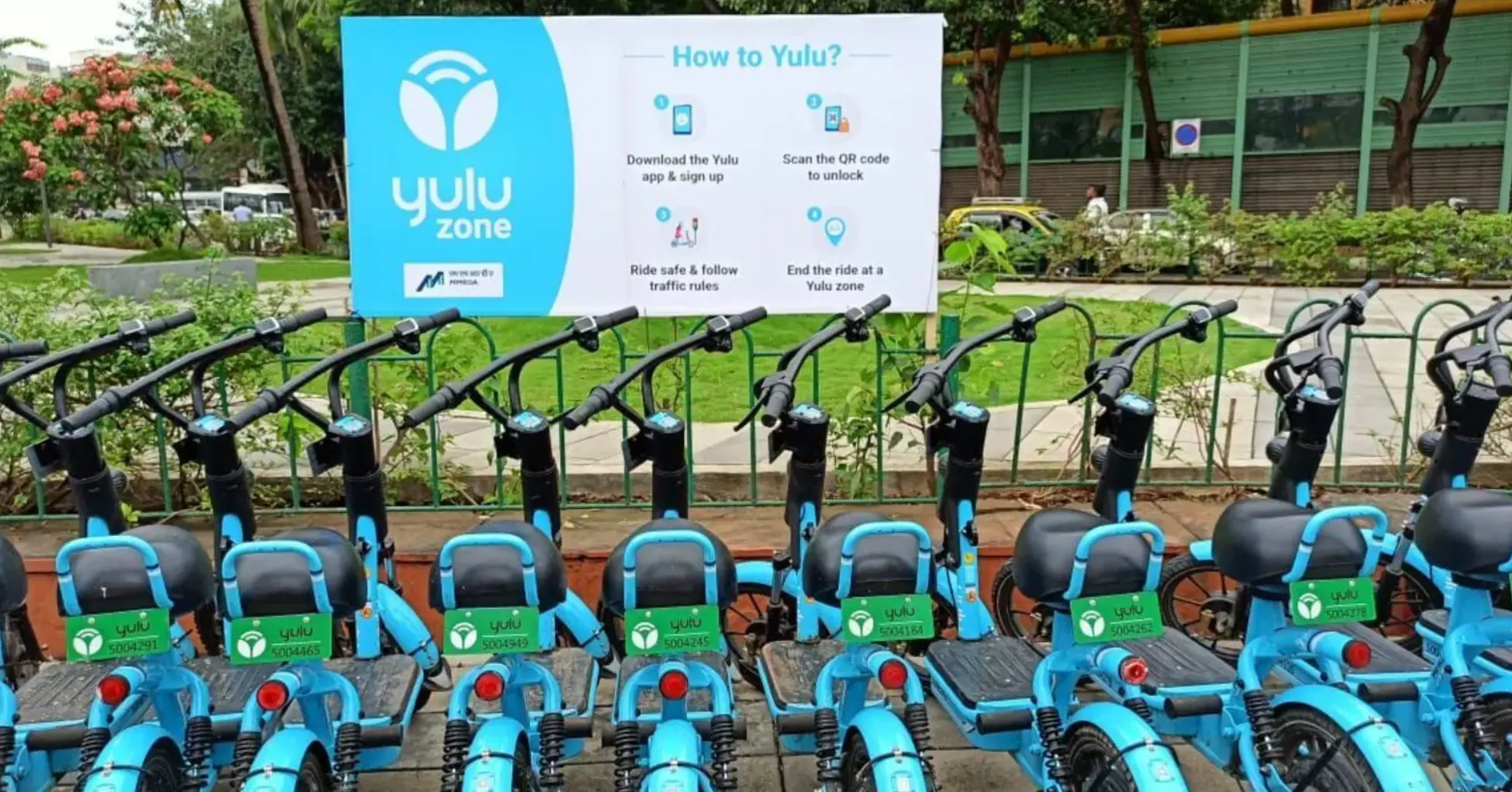
Founded in 2017 by Amit Gupta, RK Misra, Naveen Dachuri, and Hemant Gupta, Yulu provides electric two-wheeler mobility solutions in Bengaluru, Delhi NCR, and Mumbai. The company is set to expand its operations to cities such as Hyderabad, Kolkata, and Chennai.
In September 2023, Yulu secured $82 million (IRs 653 billion) in its Series B funding round, led by Magna International with participation from Bajaj Auto.
The company facilitates over 20 million deliveries monthly, claiming to reduce costs by 30-40% compared to conventional fuel vehicles. Its AI-powered platform enables it to scale efficiently.
“The simplicity and ease of our platform allow gig workers without vehicles to join the delivery workforce, while also addressing the crucial supply gap in the quick commerce value chain,” Amit Gupta stated.
Yulu claims to cover approximately 100% of all dark stores. It further asserts that its electric vehicles make up 35-80% of the vehicles at the store level and has seen its revenue and user base increase by over seven times in the last two years.
The company’s growth is also bolstered by its battery-swapping network, Yuma Energy, and collaborations with key players in the fast commerce sector, including Zomato, Zepto, Blinkit, Swiggy, among others.
Additionally, the company is looking to expand further by leveraging central and state-level policies aimed at promoting transport electrification and e-commerce, including government-backed ONDC.
However, the company’s consolidated net loss has increased by 71% YoY to Rs 94.9 crore in FY23 due to the rising costs associated with the expansion of its battery swapping infrastructure and the increase in its workforce.