SUMMARY
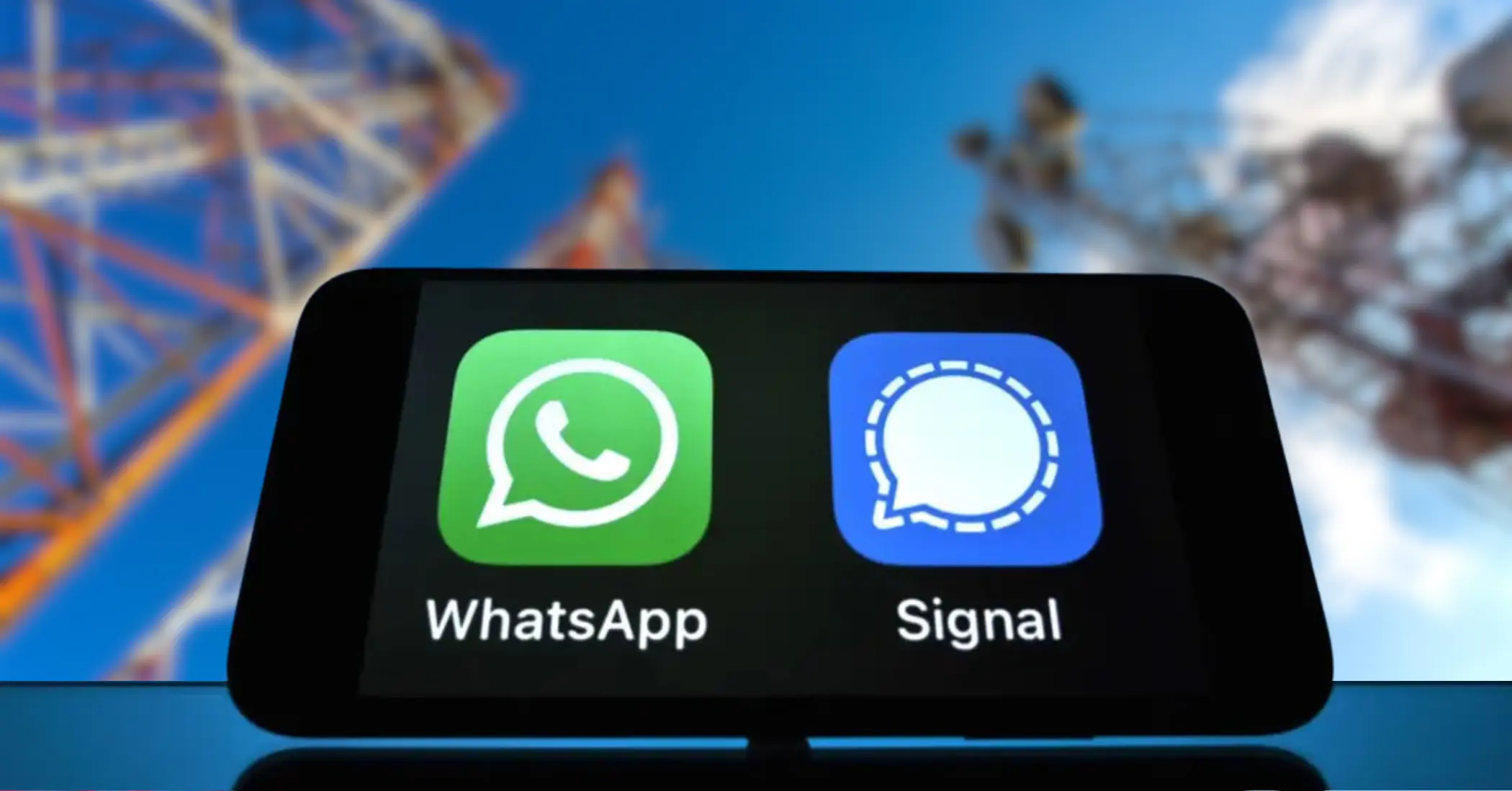
- Telecom majors Reliance Jio, Bharti Airtel, Vodafone Idea (Vi), and COAI have all agreed to include popular over-the-top applications like WhatsApp, Signal, and Telegram under the licensing rules of the new Telecommunications Act.
- It was in response to the consultation document from TRAI, which asked for feedback on the structure for granting service authorizations under the Telecommunications Act, 2023.
- Airtel emphasized the need for security, privacy, and consumer protection standards to be applied uniformly across all forms of interpersonal communication, whether personal (P2P) or business-related.
Telecom companies have all agreed to include popular over-the-top applications like WhatsApp, Signal, and Telegram under the licensing rules of the new Telecommunications Act.
The four major telecom providers — Reliance Jio, Bharti Airtel, Vodafone Idea (Vi), and the Confederation of Indian Industry (COAI) — have voiced their opinions on the consultation document from TRAI, which seeks feedback on the structure for granting service authorizations under the Telecommunications Act, 2023. They have suggested that calling and messaging apps should be categorized as services provided through authorization.
Telecom operators industry group COAI mentioned in their submission to TRAI that OTT Communication services fall under the purview of the new Telecom Act as an access service.
Reliance Jio stated that the definition of ‘message’ and ‘telecommunication service’ in the recently passed Telecommunications Act, 2023, encompasses all types of telecommunication services, including those offered over the internet through platforms, servers, or switches.
Reliance Jio added, “In order to ensure the same rules for the same or similar services, it is important to bring such Over the Top (OTT) communication service providers under Access Services authorisation.”
Bharti Airtel highlighted that the Telecom Act broadly defines ‘telecommunications’ to include “any form of sign, signal, writing, text, image, sound, video, data stream, intelligence, or information transmitted through telecommunications.” This broad definition leaves room for the regulation of Over the Top (OTT) communication services under the Act.
Airtel pointed out that while traditional telecom services allow for the monitoring of communications by law enforcement, this is not the case for OTT services, which remain unmonitored, posing challenges for law enforcement and crime prevention efforts.
The company noted that while telecom operators have controls in place for handling customer data, this is not the situation with OTT services, and the risk is heightened by the fact that many of their servers are located abroad.
“An authorisation regime would allow the government to monitor and analyse traffic data generated by OTT services, which could be crucial for identifying and mitigating potential cybersecurity threats. This oversight could lead to better regulation of content and communication, ensuring compliance with national security and public safety requirements,” Airtel added.
The leading telecom company emphasized the need for security, privacy, and consumer protection standards to be applied uniformly across all forms of interpersonal communication, whether personal (P2P) or business-related.
Meanwhile, Vodafone Idea shared that OTT services have seen significant growth worldwide, and integrating them into the regulatory framework could safeguard consumers by establishing minimum application quality standards, ensuring data privacy and security, and providing a clear process for addressing consumer complaints.