SUMMARY
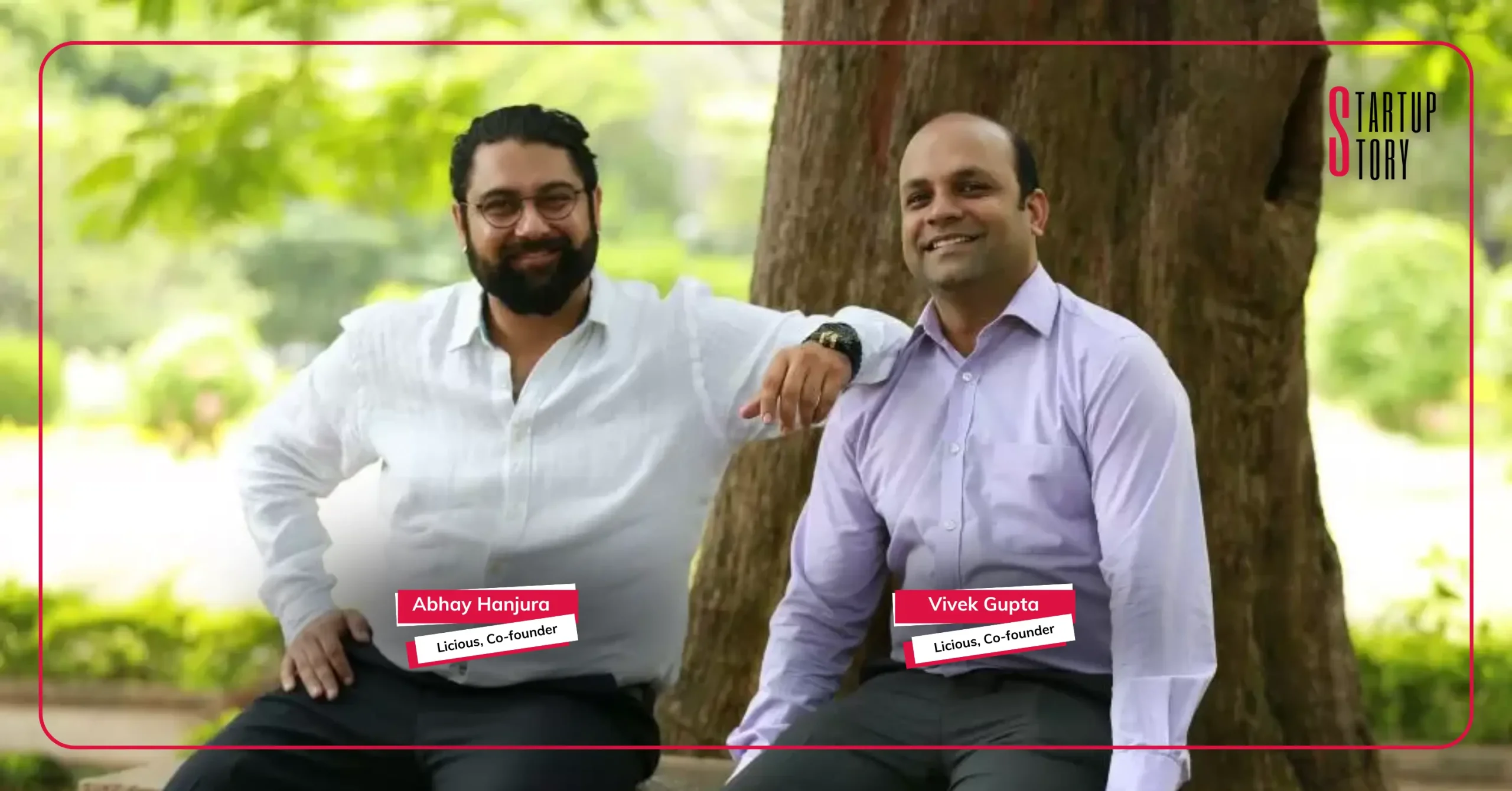
- Licious founders, Abhay and Vivek— both belong to a vegetarian family with no prior experience in the meat industry. They put in effort and built India’s first D2C unicorn, Licious.
- In the early days, Licious struggled with the proper supply chain and temperature controls for meat, leading to a disastrous launch in August 2015. Despite this, the venture successfully relaunched and became a successful D2C brand.
- Licious, despite facing competition from brands like FreshToHome and TenderCuts, has experienced significant growth and expanded to 14 cities in India, with 38% of the market share, aiming to launch an IPO by 2026.
Abhay Hanjura, belongs to a vegetarian family from Srinagar, Kashmir, always aspires to becoming a soldier in his childhood. However, a life changing motorcycle accident and an unfulfilling corporate career shifted his focus to the year old Indian meat industry. Hanjura significantly saw that the Indian meat industry is very unhygienic and limited to the local butcher shops, lacking in quality and safety. After identifing the market gap, despite his father’s disagreement and having no prior experience in the meat sector, he started giving potential efforts to reform the industry and improve quality and safety.
His market research caught the attention of his friend and venture capitalist, Vivek Gupta. Together, they decided to quit their high-paying corporate jobs and partnered with Joe Manavlan, an industry expert, to launch their venture Licious in August 2015. The company faced several early challenges and initially struggled to fulfill only 35 orders but later their dedication and strategic enhancements resulted in a successful relaunch, reaching a 90% of client retention rate and increasing to 1,300 orders in the first month.
The journey of Licious began with a seed investment of $1 million led by T.V. Mohandas Pai, a former Infosys CFO, initiating the company’s strong expansion plans in September 2015.
In the recent development, Licious intended to open approximately 500 stores throughout India in the next five years, with an additional $100 million investment. The brand desires to expand its online and offline presence, increased profitability, and secure an IPO by 2026.
In FY2020, Licious generated revenue of INR 138 crore with a valuation of $268 million. Despite incurring losses of INR 146.3 crore, the company secured $93.29 million in funding. Moving into FY2021, revenue surged by 212% to INR 430.5 crore, with the company’s valuation jumping to $543 million, a 102% increase. However, losses also grew by 171% to INR 396.8 crore, although Licious managed to raise $93.85 million.
With an 171% increase in valuation to $1.47 billion in FY2022, Licious became India’s first D2C unicorn. Revenue increased by 64.3% to INR 706.1 crore in the same financial year. Despite a rise in losses to INR 855.7 crore, funding surged to $489.08 million, demonstrating strong investor confidence.
By FY2023, the valuation remained at $1.47 billion, but revenue growth slowed to 9.6%, totalling INR 807.5 crore. Losses fell by 38.6% to INR 525.3 crore, indicating better operational efficiency, while funding remained secured at $489.08 million.
This year, the company expects revenue of INR 850 crore, with funding increasing upto $490 million from the previous financial year. This ongoing innovation and expansion indicates strong market demand and a stronger position in the industry.
Licious has grown to 14 cities across India and is now offerings wider range of ready-to-eat and ready-to-cook products, particularly driven by pandemic-driven demand. The company plans to expand gradually, launch an IPO, and open physical stores across the India. Although Licious has yet to pursue notable acquisitions, its focus remains on strengthening its market presence and optimizing its supply chain. The founders, Abhay Hanjura and Vivek Gupta, have successfully transformed Licious from a startup into a billion-dollar unicorn by addressing key market gaps, demonstrating the power of strategic vision and execution in the Indian meat industry.