SUMMARY
- The Indian economy is projected to grow at 6.5-7% in FY 2024-25, with a nominal growth rate of 11% factoring in inflation, according to CEA V. Anantha Nageswaran.
- Strong post-COVID recovery is attributed to effective fiscal and monetary policies, with stable macroeconomic indicators and a healthy banking system.
- The CEA emphasized the need for job creation, particularly through the MSME sector, while also advocating for increased female workforce.
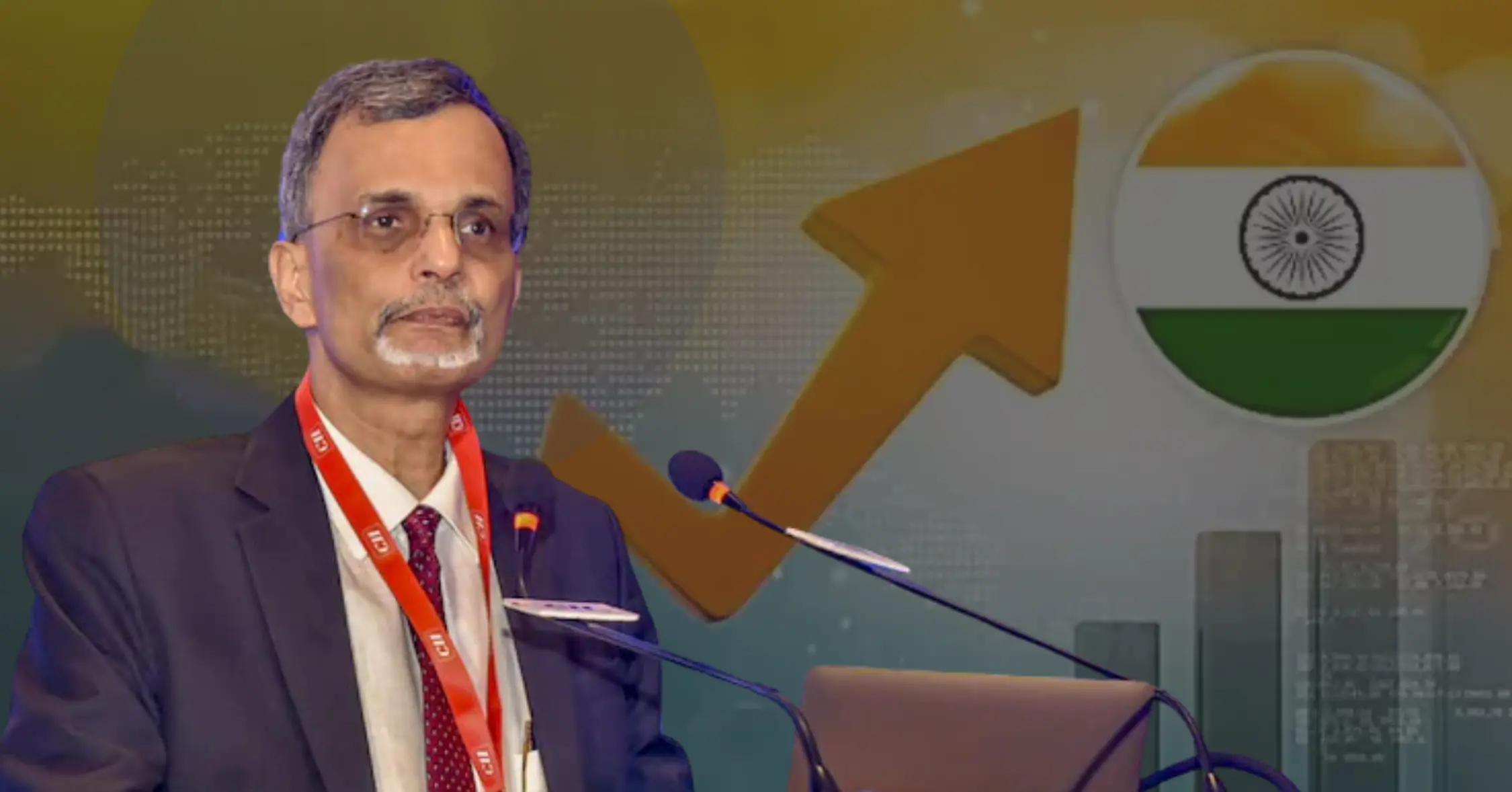
Chief Economic Advisor (CEA) to the Union government, V. Anantha Nageswaran, announced on Friday that the Indian economy is anticipated to grow at a rate of 6.5-7% in the current financial year, signifying a steady state of economic performance. This forecast is particularly noteworthy in light of the current global economic landscape, which faces numerous challenges.
Speaking at an event organized by the Bengal Chamber of Commerce and Industry (BCCI), Nageswaran stated that the growth rate, when adjusted for inflation, would reflect a nominal growth of approximately 11%. He emphasized that this achievement demonstrates India’s resilience amidst global trade slowdowns and uncertainties.
Nageswaran attributed the robust post-COVID recovery in India to a combination of well-calibrated fiscal and monetary policies implemented by the government. He noted that India’s economy remains on a stable footing, with no vulnerabilities in the current account balance and a healthy domestic financial market and banking system.
“The macroeconomic indicators indicate stability,” Nageswaran commented, highlighting significant shifts in capital expenditure, a decreasing external debt-to-GDP ratio, and lower retail inflation rates. These factors contribute to an improved credit environment and have enhanced the economy’s supply-side capabilities, aiding in inflation control.
Nageswaran stressed the importance of identifying domestic sources of growth, emphasizing the need for productive employment generation, food security, regulatory improvements for micro, small, and medium enterprises (MSMEs), and efficient allocation of financial resources. He identified the MSME sector as pivotal for non-farm job creation and noted that small and medium enterprises must evolve into larger entities to accommodate more labor.
He also highlighted the necessity of increasing women’s participation in the workforce, underlining that safety and security in workplaces must be prioritized to achieve this goal. On the topic of artificial intelligence (AI), Nageswaran acknowledged its potential to displace labor but stressed the importance of striking a balance between technological advancement and social responsibility.