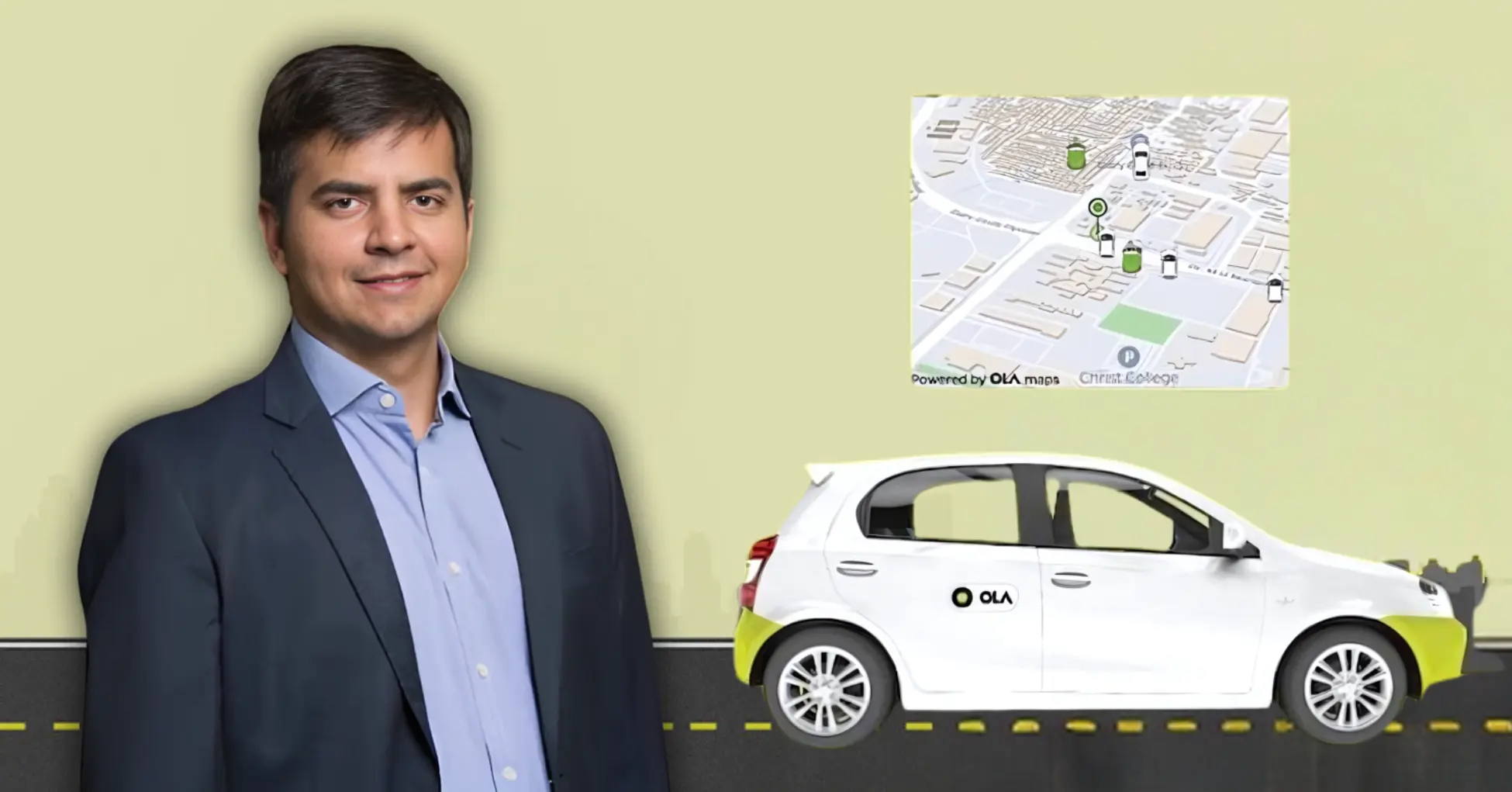
Bhavish Aggarwal, founder and CEO of Ola, is urging developers to use Ola Maps instead of Google Maps, with the ride-hailing company offering incentives worth a year of free access to Ola Maps on the company’s Krutrim Cloud and over Rs 100 crore in free credits. This announcement follows Ola’s workload shift from Microsoft’s Azure to Krutrim Cloud and the replacement of Google Maps with an in-house mobility platform, Ola Maps, which should save the company around Rs 100 crore annually.
He enlisted the advanced features of Ola Maps having AI-powered India-specific algorithms with real-time data from millions of vehicles. The plan goes back to 2021, when the platform planned to develop first-to-world features on customer and partner apps in Ola Mobility but couldn’t capitalize because existing mapping providers of Western origins neither prioritized the unique challenges of navigation in India, nor had an understanding of the same.
This came as a revelation to the Bengaluru-headquartered company and prompted the origination of Ola Maps, opening opportunities for the Indian developer base to build a sophisticated platform aligning with local needs, offering multi-language support, local business listings, culturally relevant landmarks and most importantly, preserving the crucial location data.
Streets in India, especially in rural areas, have inconsistencies in names and are often unmapped. Additionally, urban changes, complex traffic, non-standard roads and potholes are more such challenges which cause irregularities in travel time and safety. Ola Maps’ features are tailored to tackle these challenges of navigation in India providing accurate, up-to-date maps that improvise travel planning and user satisfaction.
Ola Maps is already in use with the platform managing a million search queries daily for Ola Electric users in the Ola ecosystem, receiving more than 5 million messages per second from multiple sensors and telemetry sources.
Through Ola Maps, the ride-hailing company aims to provide detailed and dynamic maps to align with future mobility innovations such as autonomous vehicles, flying taxis, and drones.