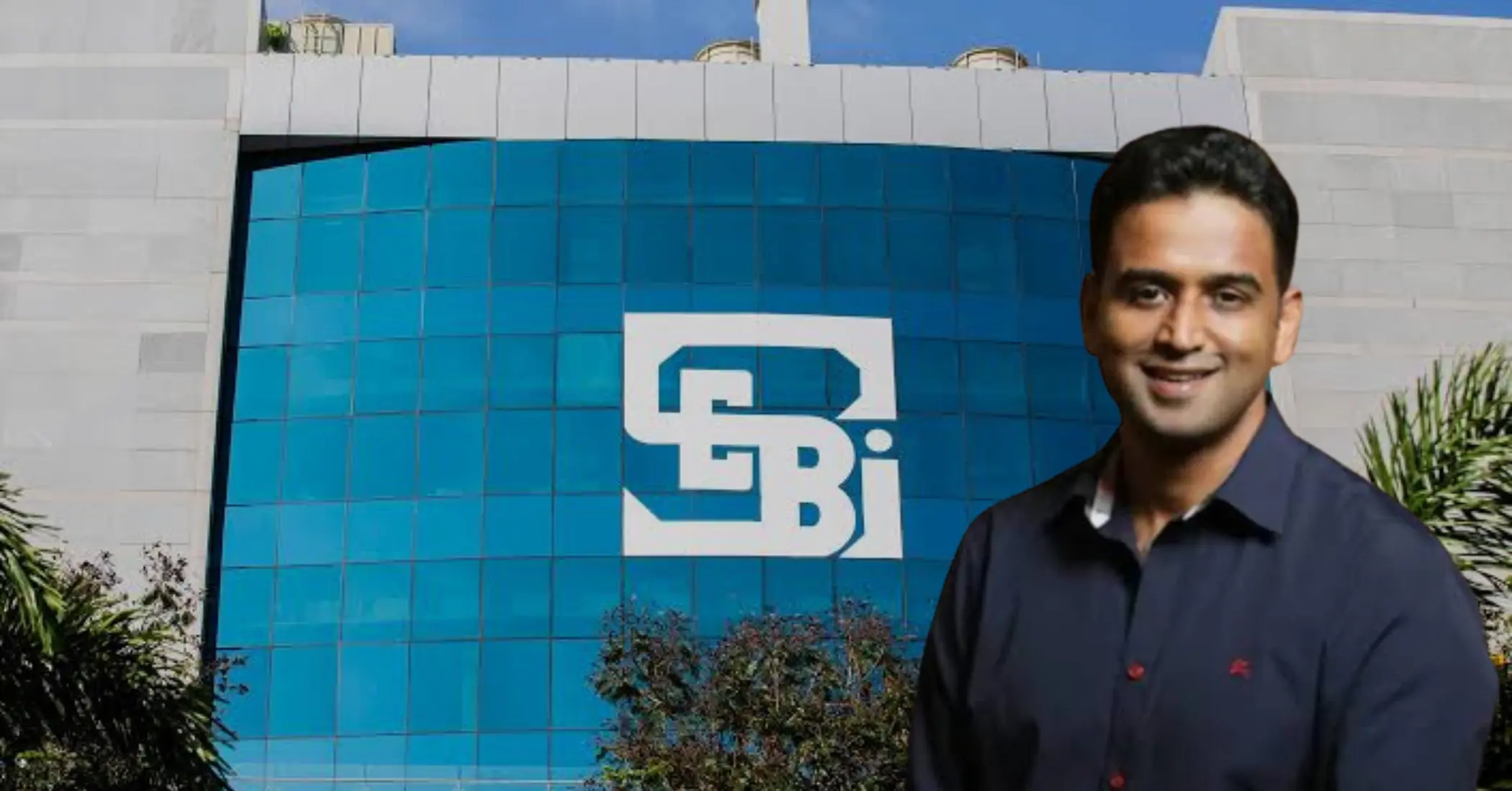
Zerodha, a leading e-trading platform, is set to discontinue its zero brokerage model after the Securities and Exchange Board of India (SEBI) issued a new circular aimed at slowing the pace of derivative trading. This regulatory change abolishes the volume-based transaction fee model on free equity delivery trades for all brokers, including Groww, Zerodha, AngelOne, and Upstox.
Nitin Kamath, Zerodha’s co-founder and CEO, highlighted that the company would likely halt its zero brokerage structure and potentially increase brokerage fees for futures and options (F&O) trades. Currently, Zerodha is one of the few platforms that charges no fee on equity delivery.
Industry experts anticipate that most brokers will raise their existing pricing on equity trades and option (future) trading. Equity delivery fees are typically charged on the physical delivery of shares in retail investors’ demat accounts.
SEBI’s circular mandates that a broker’s stock exchange fee is now based on the turnover processed through the platform in a month. This means that platforms with higher volumes will face lower transaction fees. Zerodha’s large volume in the e-trading space has enabled it to charge no fee on equity delivery trades until now, but this arrangement is expected to change when the new circular comes into effect on October 2, 2024.
“We earn about 10% of our revenue from these rebates. This could range between 10% and 50% of the revenue for other brokers,” Kamath wrote in a blog post.
Kamath further explained that while Zerodha generates 90% of its revenue from rebates on F&O trading, the new circular will not have a significant financial impact on the company. However, he pointed out that SEBI has set up a working group to address the concerns about the steep increase in retail participation in options trading.
“As I have said several times in the past, including recently, this regulatory risk is one of the biggest risks for a regulated business like a stock broker,” Kamath added.
SEBI’s chairperson, Madhabi Puri Buch, has emphasized that the regulator will not hesitate to ban future trades from retail investors if the working committee deems it necessary. Between FY18 and FY23, option trading on the National Stock Exchange (NSE) surged over tenfold, rising from 9.3 lakh in FY18 to 95.7 lakh in FY23.
This move by SEBI and the anticipated adjustments by major brokers like Zerodha underscore the evolving regulatory landscape in India’s e-trading sector.