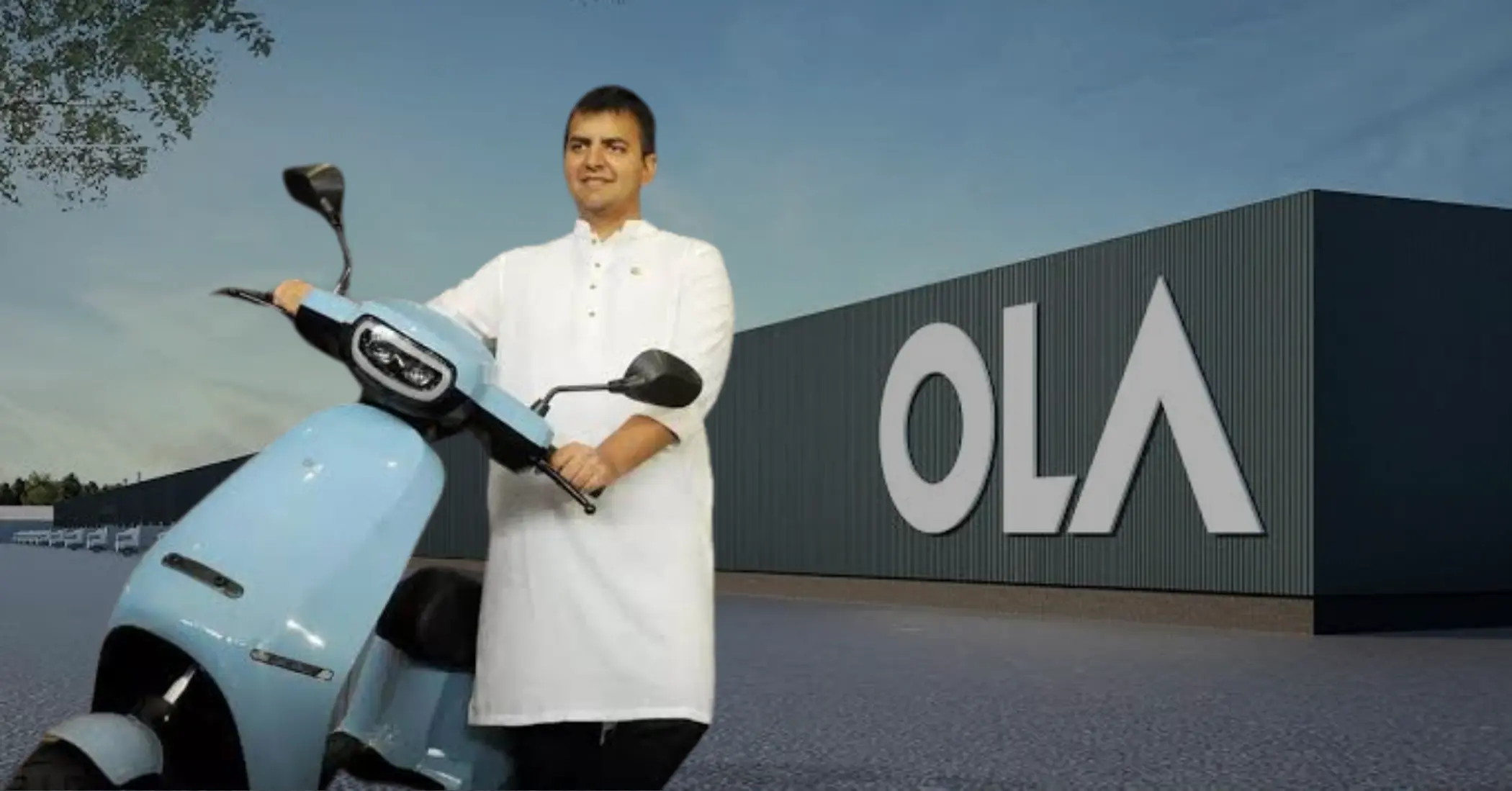
Ola Electric founder Bhavish Aggarwal announced a $100 million investment in the initial phase of developing the company’s gigafactory in Tamil Nadu. This facility aims to produce indigenous lithium-ion batteries, set to power Ola’s electric vehicles by early next year, replacing batteries currently sourced from Korea and China.
Aggarwal asserts that in-house battery production will lower costs and enhance profitability, though passing on the savings to consumers will depend on market conditions. While this technology is still in the research phase, with global companies like Toyota Motors and Nissan working on similar technology, Aggarwal acknowledges the challenge in providing a definitive timeline for completion.
Ola’s gigafactory distinguishes itself with an all-women workforce for EV manufacturing. This stands in contrast to recent reports about Taiwanese electronics manufacturer Foxconn, one of Ola’s suppliers, allegedly excluding married women from its iPhone plant workforce. “Women are more disciplined and dexterous on the floor. There are more women at the junior level, and you would have seen some men in the factory. Those are at the managerial level. We don’t find a lot of qualified women at the managerial level and end up hiring men. Even there, we hope to hire more women. I don’t know about Foxconn, but we don’t have such policies,” Aggarwal said.
Ola Electric has received approval from market regulator SEBI for a Rs 5,500 crore IPO this year, according to CFO Harish Abhichandani. In the IPO, Aggarwal will sell a 3.4% stake in the company, while other investors such as Indus Trust, Tiger Global, and DIG will also be selling their stakes. The proceeds from the IPO will be used to retire debt, fund R&D at the battery innovation centre in Bengaluru, and support capital expenditure.
Ola Electric’s gigafactory in Tamil Nadu is pioneering in-house battery production, aiming to empower women in EV manufacturing while addressing industry challenges and surpassing controversies faced by other manufacturers.
Ola’s commitment to gender diversity is evident through Ola Futurefactory, the world’s largest all-women automotive manufacturing facility. With over 10,000 women employees, including married women, the company showcases dedication to empowering women at all levels. A YouTube clip further highlights the stories of these women workers.
Meanwhile, the tragic AriceII factory fire near Hwaseong city, which claimed the lives of 22 workers, including Chinese migrants, South Koreans, and a Laotian, underscores the dangers of lithium batteries in consumer goods and the necessity for preventative measures to avoid such tragedies.